active
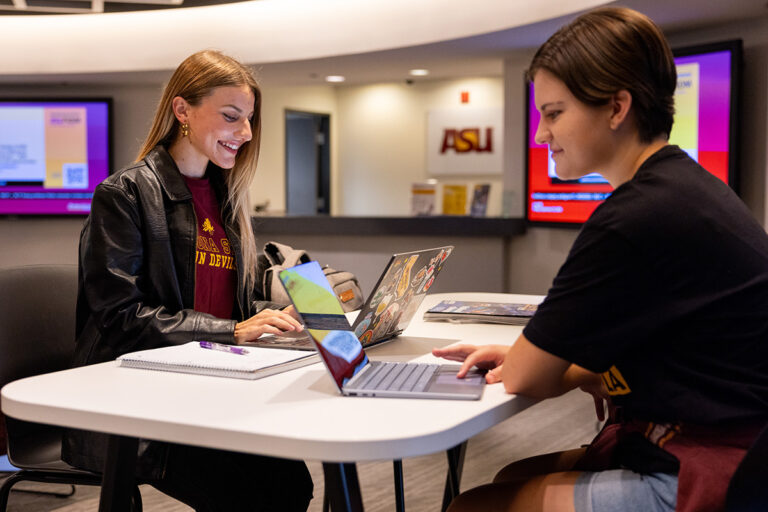
Sensory-Friendly Spaces
The Sensory-Friendly Spaces Initiative is an emerging, cross-campus effort to make ASU a more welcoming environment for neurodivergent individuals and anyone who benefits from lower-stimulation, more predictable experiences. This initiative is grounded in both research and lived experience. It aims to address physical spaces, event environments, and potentially digital experiences—supporting sensory regulation, reducing overwhelm, and…
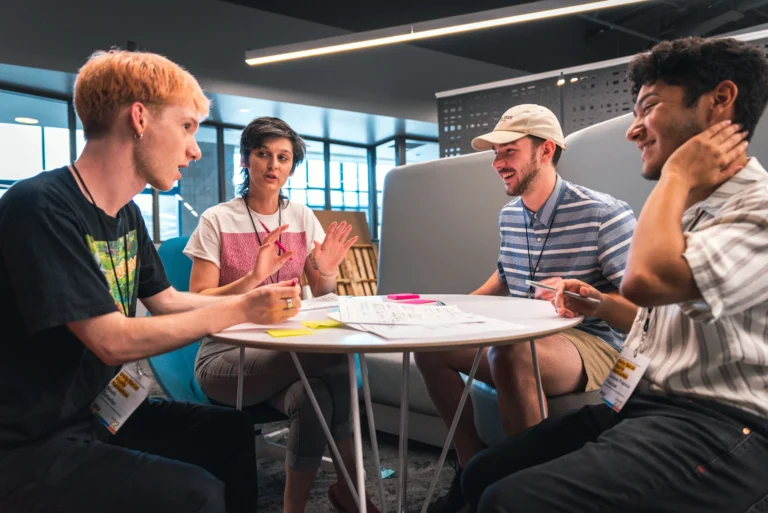
Maricopa County Digital Storytelling
The Maricopa County Digital Storytelling project, featured on the AZ-1 web portal, highlights the impact of broadband internet access on education, business, and wellness in Maricopa County, Arizona. It shares stories of community members benefiting from having broadband access, such as telehealth and 5G technology for startups. This initiative is part of the university’s efforts…

Beech–IDIA: Workshops for Digital Access
Next Lab is collaborating with the Institute for Digital Inclusion and Access (IDIA) to create and facilitate lessons and activities in emerging tech literacy, game design, worldbuilding, and more to community members of all ages. To bring emerging technology education to community members across the Arizona valley, Next Lab has partnered with the Institute for…
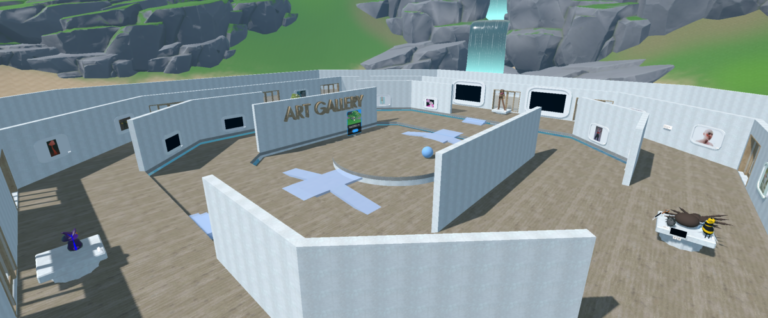
Virtual Reality Art Gallery
The Technical Artistry, Modeling, Animation, & Concept (TAMAC) Guild is developing an interactive VR Art Gallery that showcases artwork created by Next Lab Associates and anyone in the community who wishes to join in and have their artwork featured. The gallery serves as a living and evolving space for digital creativity combining 2D, 3D, and…
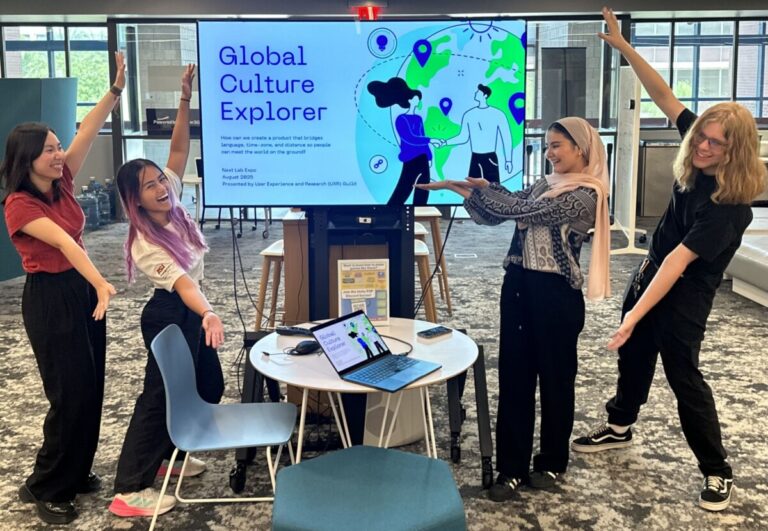
Global Culture Explorer
Global Culture Explorer is a VR experience designed by Next Lab’s User Experience & Research Guild to help users discover cultures through everyday life, not just tourist landmarks. The project aims to make cultural learning more immersive, authentic, and empathetic, allowing users to virtually stroll through local streets, observe habits, and engage in simple interactions…
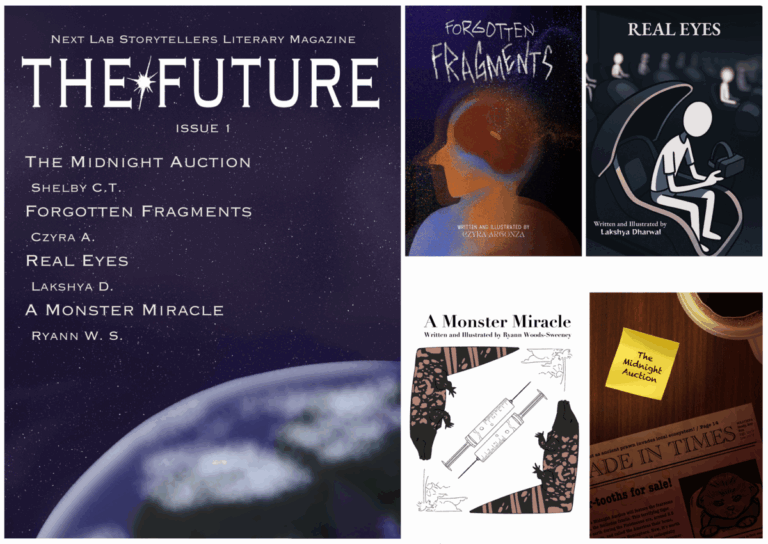
Literary Magazine: The Future!
Next Lab’s Digital Storytelling Guild is excited to begin its first guild project with the launch of their Literary Magazine, The Future! The purpose of this magazine is not only to tell exciting, thought provoking, and complex stories, but also for guild members to improve and expand upon their skills as writers and collaborators. The…
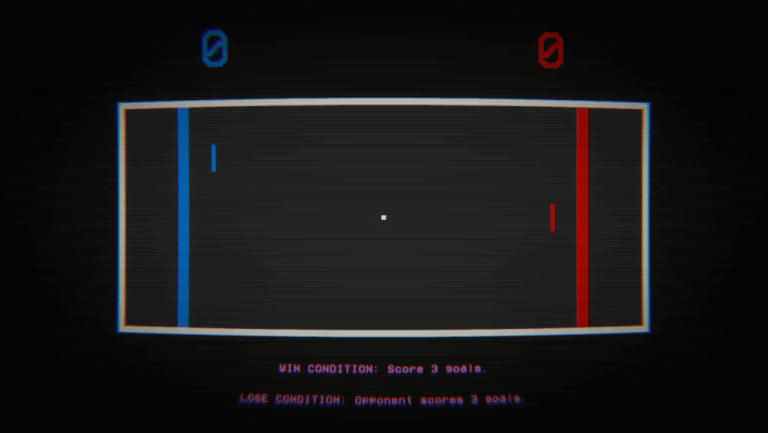
PONG: Next Lab Edition
PONG is a collaborative Unity game project created by Next Lab’s Games and Spatial Computing Guild, exploring incremental mechanic evolution within a classic arcade format. Each round begins as standard Pong, but every subsequent level introduces a unique gameplay gimmick—altering physics, controls, objectives, or level rules. These gimmicks do not stack; instead, each level has…

Conway’s Game of Life: Next Lab Edition
The Next Lab Games and Spatial Computing Guild’s take on Conway’s Game of Life turns a classic math toy into an interactive, kaleidoscopic sandbox built in Unity. Instead of a single “alive vs dead” state, cells can take on multiple colors—each with its own ruleset and behavior. The result is a deterministic but endlessly surprising…
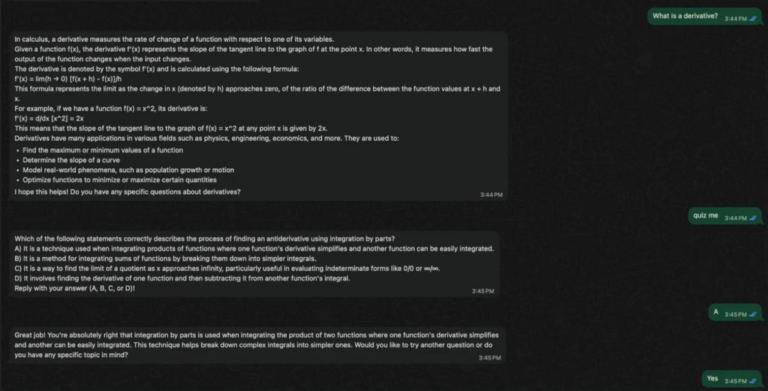
WhatsApp Learning Chatbot: AI for Education
The Applied AI Infrastructure Guild’s WhatsApp Learning Chatbot is an AI-powered educational system designed to deliver personalized learning experiences directly within WhatsApp. By integrating conversational AI with course-specific content, the platform enables students to learn, practice, and track their progress in a familiar messaging environment. Faced with the problem of the global digital divide, where…
FutureScape
Created in partnership with ASU Educational Outreach and Student Services (EOSS), FutureScape is a game for middle schoolers to explore various STEAM (Science, Technology, Engineering, Arts, Math) careers. Covering 15 industries across eight areas, including marine biology, manufacturing engineering, and forensic science, this virtual career fair features mini-games that simulate STEAM work experiences in engaging…