PONG: Next Lab Edition
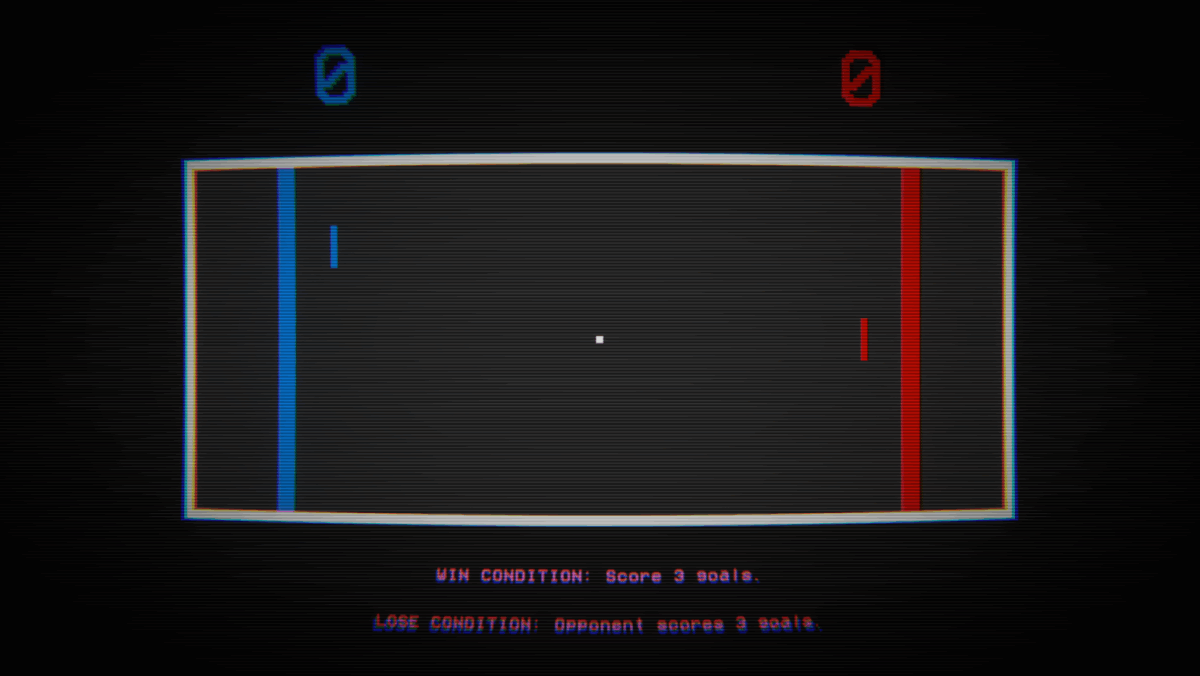
PONG is a collaborative Unity game project created by Next Lab’s Games and Spatial Computing Guild, exploring incremental mechanic evolution within a classic arcade format. Each round begins as standard Pong, but every subsequent level introduces a unique gameplay gimmick—altering physics, controls, objectives, or level rules. These gimmicks do not stack; instead, each level has its own modified version of the base game.
The goal of the GSC Guild’s PONG is to create a modular foundation where developers can quickly prototype and contribute new “gimmick levels” through inheritance-based extensions of core systems such as player controllers, ball logic, and enemy AI. By allowing anyone to build on a consistent codebase, PONG becomes both a design sandbox and a lightweight introduction to scalable Unity workflows. PONG is an indefinitely ongoing project, as new members and volunteers are encouraged to jump in and add their own levels at any time.
This project emphasizes reusable architecture, collaborative learning, and iterative design. Every scene inherits from the base Pong implementation, with level-specific scripts overriding select behaviors. Contributors are encouraged to work on independent branches, building mechanics such as time limits, motion freedom, multi-ball chaos, or transforming player/ball roles.
Art direction is intentionally minimalistic—dark grey backgrounds, light grey play elements—with unified UI and font styles to maintain visual cohesion. The project also provides opportunities for new Unity developers to gain hands-on experience working within an established repository, including tutorials and onboarding support.
Core Gameplay Foundation: The base scene includes standard paddles, ball physics, scoring, and AI behavior. Level variations inherit these components while selectively replacing functionality. The foundation prioritizes clean code, predictable structure, and ease of contribution. Core assets such as scene layout, paddle prefabs, and UI elements remain untouched to protect project stability.
Level Gimmick Integration: Each level introduces a single new mechanic—examples include screen wrapping, gravity-affected motion, time-based constraints, multi-ball play, breakout brick grids, or projectile-based scoring. Contributors override relevant base methods, modify data parameters, and prototype behaviors with minimal overhead.
Collaboration & Pipeline: Developers self-assign levels from a shared list and maintain individual branches using a GitHub repository. The repository establishes standards for scene organization, prefab usage, naming, and code inheritance. Occasional branch reviews ensure compatibility with the mainline. This workflow not only produces a rich final product but also trains contributors in version control, modular development, and cross-team accountability.
Project showcase:
Launch date:
- August 2025
Contributors & Credits:
- Jayden Robles, Next Lab Associate, Games and Spatial Computing Guild Lead
- Donovan Harp, Next Lab Associate
- Jose Sanchez, Next Lab Associate
ASU Next Lab™
Powered by collaboration across ASU’s innovation ecosystem.
Got an idea, project, or question? Connect with Next Lab →